

The World is Terrible. The World is Fantastic.
Both statements are true.

Economist and Nobel laureate Paul Romer draws a distinction I keep returning to, especially in uncertain times like we're in at the moment. He describes two kinds of optimism.
One is passive optimism. It’s the feeling of a child waiting for presents on Christmas morning. This kind of optimism assumes good things will arrive on their own, that progress is inevitable, that someone or something else will do the work.
The other is conditional optimism. It's the feeling of a child who imagines a treehouse and then steps outside, gathers wood, and gets friends to help make their treehouse come to life. They make a plan and improvise when it fails. They scrape a knee or two, but keep building anyway. Their optimism rests on vision, initiative, effort, and collaboration. Romer argues that while problems are solvable, they require proactive, deliberate action.

Conditional optimism doesn’t deny hardship. It doesn’t pretend the world is easy, fair, just or right. It looks at the uncertain road ahead and it still chooses to drive. It says: Things will get better, but only if we engage... only if we participate... only if we try.
Passive optimism is fragile. It collapses when conditions worsen, when expectations go unmet, when the future fails to deliver on its own. It runs inside at the hint of rain or snow.

Conditional optimism is resilient. It adapts. It learns. It finds momentum not in certainty, but in motion.
Conditional optimism flourishes in nature. One example is a Juniper tree's survival in harsh environments. Junipers don't rely on ideal conditions. They bend around rocks, twist to follow sunlight, and grow slowly over centuries, adapting their form to the elements of their environment rather than fighting them.

In nature, nothing waits to be saved or tended to. Forests regenerate because countless small actions such as roots pushing, seeds scattering, water moving downhill, accumulate over time. No single moment guarantees success, but the conditions are created through persistence.
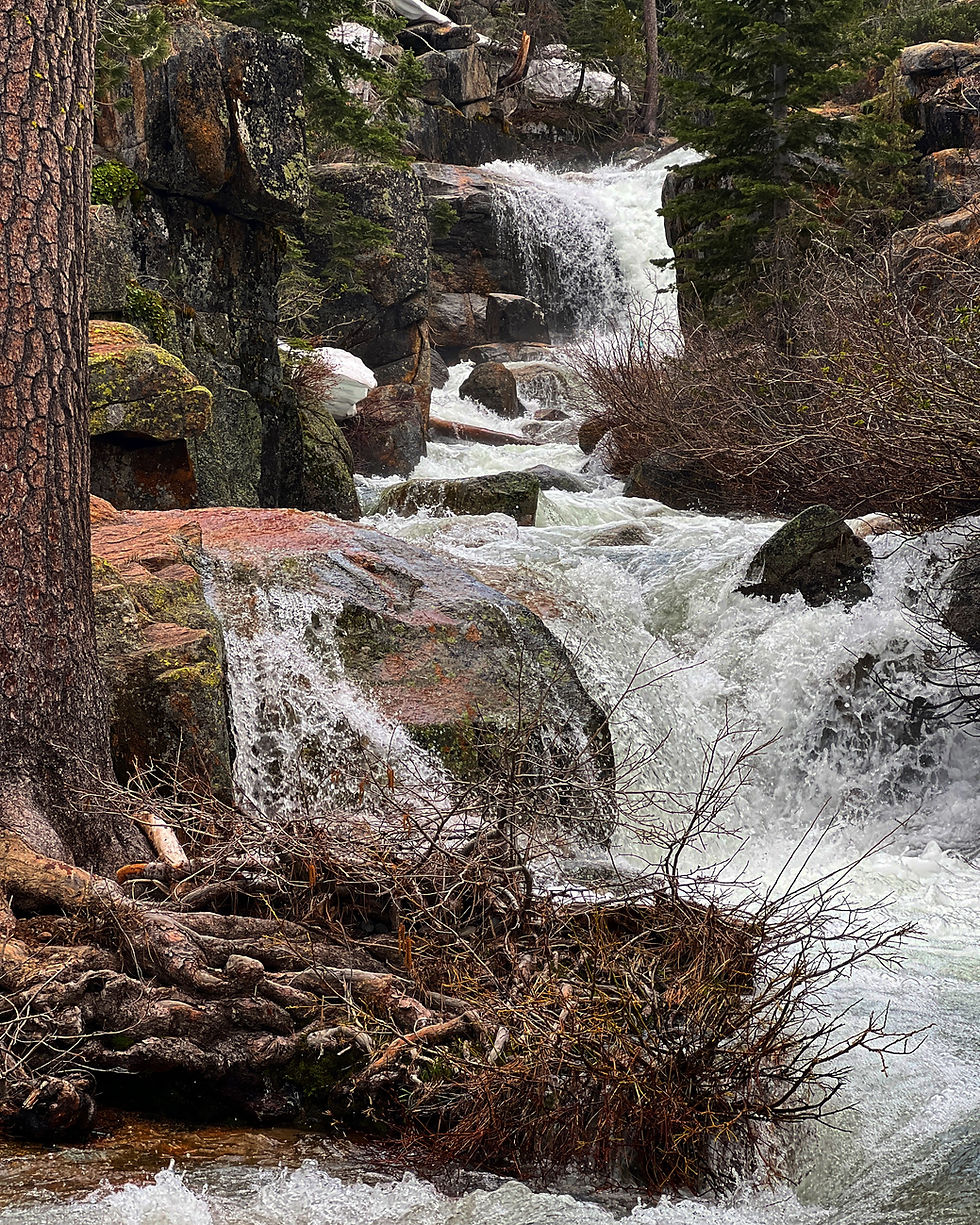
Photography works the same way. You don’t wait for meaning to reveal itself. You show up. You notice things from different perspectives under different skies. You return again and again to the same location and the same scenery. And over time, something genuine emerges because you cared enough to show up, pay attention and remain engaged in the moment.

The kind of optimism you choose is always up to you. Conditional optimism isn't demanding. It’s calm, practical and confident. It lives in the choice to create rather than wait, to notice rather than walk or scroll past, to contribute rather than complain.

"Pessimism," on the other hand, says Romer, "is more likely to foster denial, procrastination, apathy, anger, and recrimination. It is conditional optimism that brings out the best in us. So we should stop saying that 'the end is near.' We should say instead:
Ok, we made some mistakes. We can start fixing them by pointing our innovative efforts in a slightly different direction. If we do, we can do things that are even more amazing than the truly amazing things we have already accomplished. It will be so easy that looking back it will seem painless. Let’s get going!
No matter how bad things seem, someone has had it worse than you. No matter how great things seem, someone has had it better than you. The world is terrible. The world is fantastic. All four statements are true. How we see the world makes it so.
But those that see the world as terrible, and complain about the state of affairs, might consider practicing more of the neighborliness, stewardship, connection and the care they'd like to see in others.
Conditional optimism is the secret sauce that makes the world more fantastic. It picks up tools, gathers people, and initiates. The treehouse may change shape, but so what? Trust that the act of building it is what puts a spring in our step.
Things will get better, but only if we engage... only if we participate... only if we try.

All photographs by Michael Kennedy (unless otherwise noted) / BlueWolfGallery.com
***

I’m Michael Kennedy, a resident of Olympic Valley, CA (in photo above). I’m a writer & photographer and I love exploring nature and getting lost along the way. We live in a world that demands our attention and I just want to say thank you for your attention. If you enjoyed this post, please share with a friend. For more photos and stories visit BlueWolfGallery.com.


Comments